
A gentle daily rhythm built around the way sleep tends to change later in life. Simple steps for morning, daytime, and evening — at a pace that suits you.
Last reviewed: · Educational only, not medical advice.
Short answer
What is a good daily sleep routine for older adults?
A steady wake-up time, morning daylight, daytime activity, caffeine finished by early afternoon, a calm 30-minute wind-down, and a cool, dark, quiet bedroom. Keeping the routine consistent matters more than getting any single night perfect. This is general guidance, not medical treatment.
The same routine across the whole day — at a pace that suits you.
A steady wake-up time and a little daylight are the two most helpful anchors.
Gentle activity and an earlier caffeine cutoff make a real difference for many people.
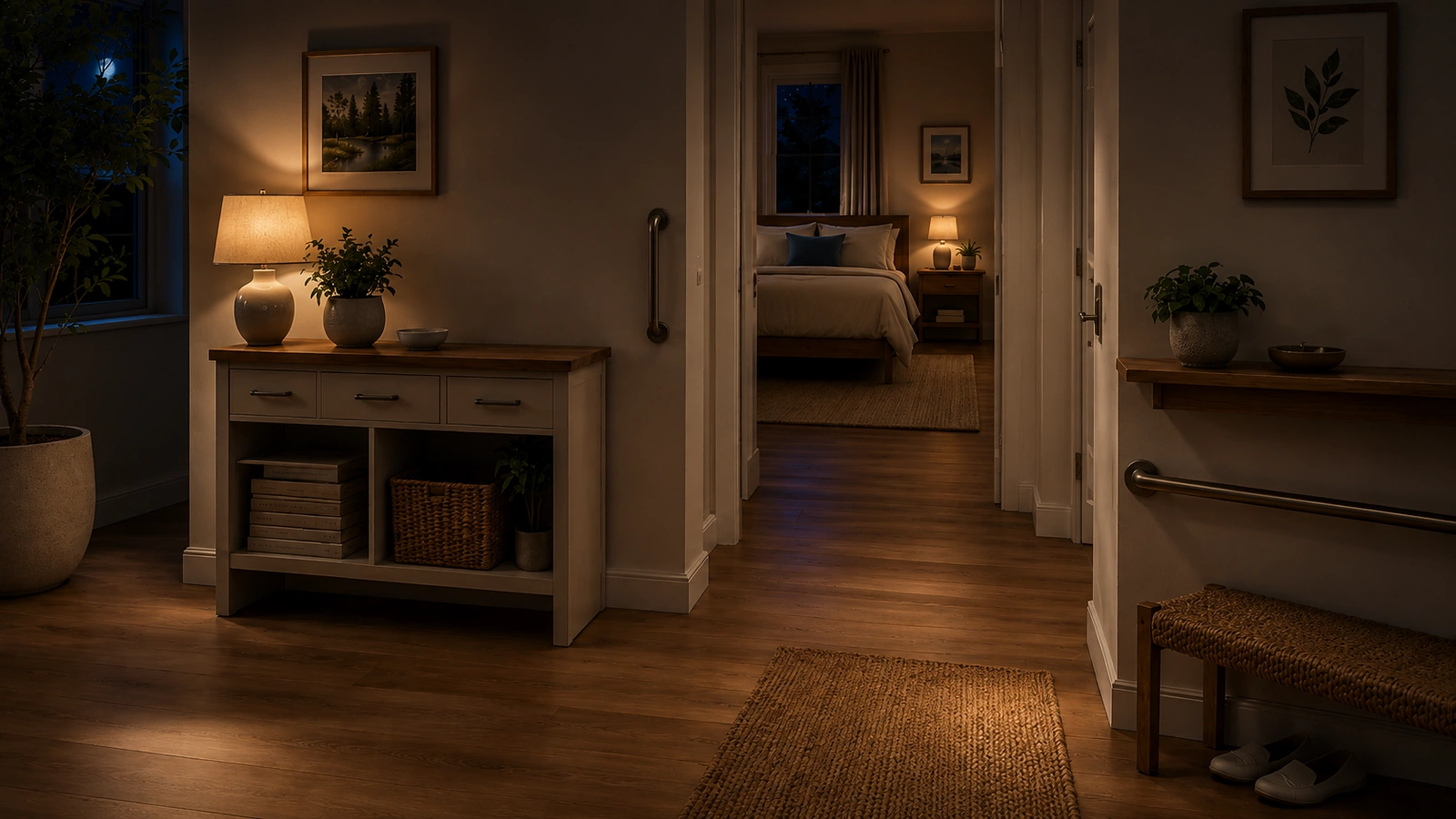
The last hour is for slowing down in a calm, restful bedroom.
This routine supports steadier, more comfortable sleep. It does not treat sleep apnea, restless legs, chronic insomnia, or other conditions.
A calm, consistent one: dim the lights about 30 minutes before bed, do something relaxing like reading or gentle stretching, keep the bedroom cool and dark, and aim for a steady wake-up time the next morning. Keep it simple and repeat it nightly.
With age, the body clock often shifts earlier, so many people feel sleepy sooner in the evening and wake earlier. Morning light and a steady schedule can help. Persistent early waking with low mood is worth discussing with a doctor.
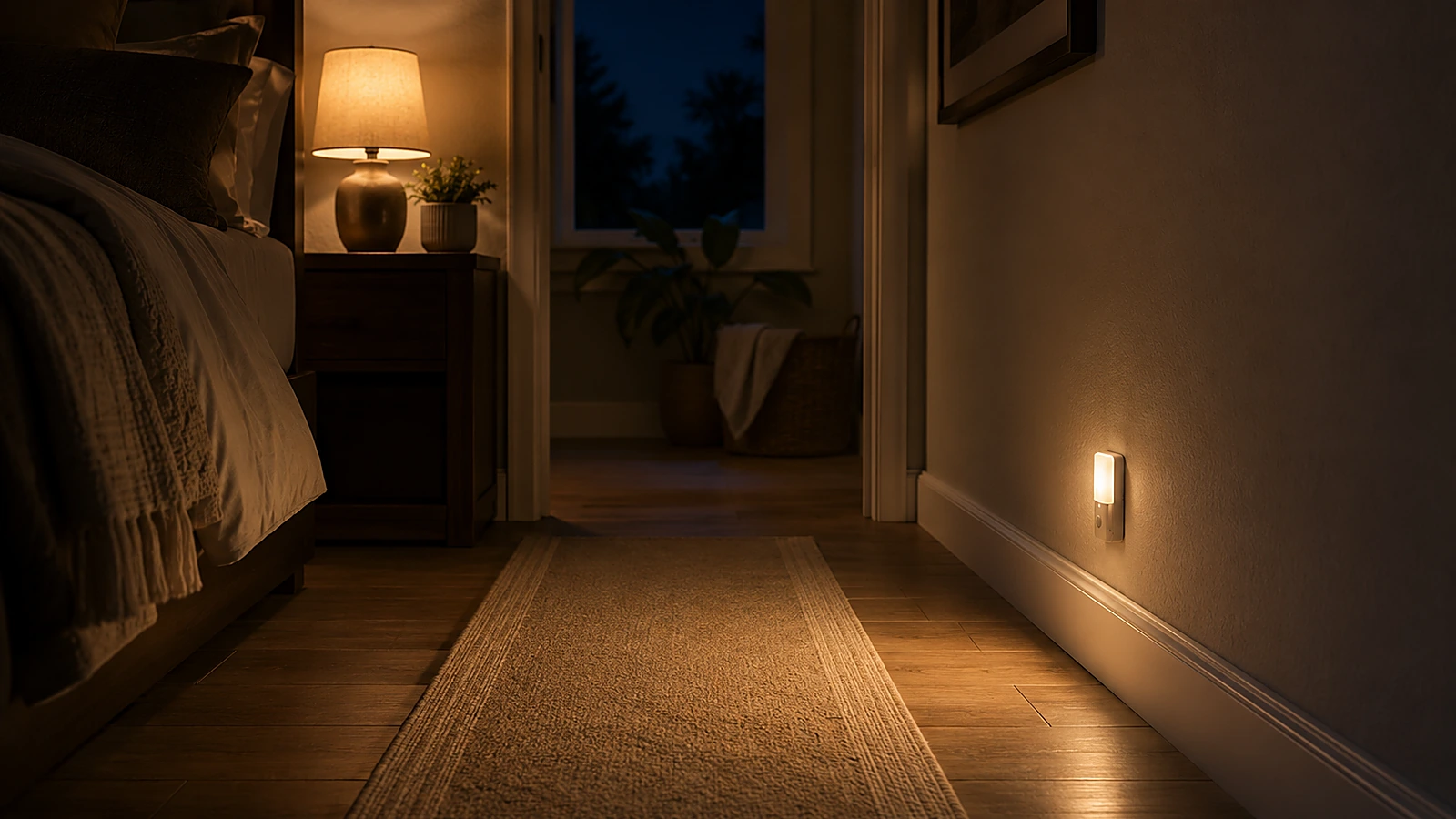
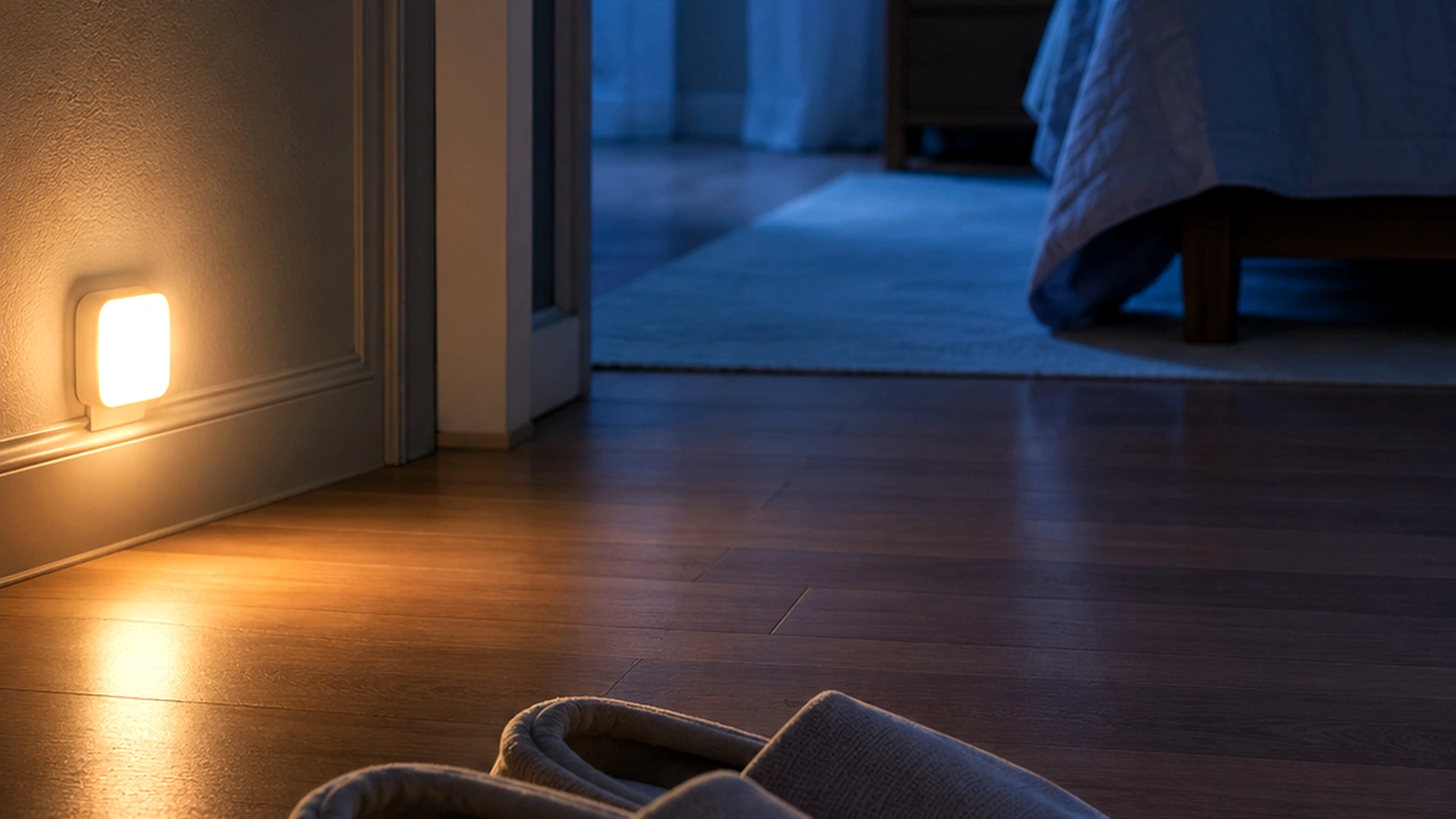
Many people do. If you get up at night, keep the path to the bathroom clear and well lit with a low, warm night-light to lower fall risk. Frequent night-time trips to urinate are worth mentioning to your doctor.